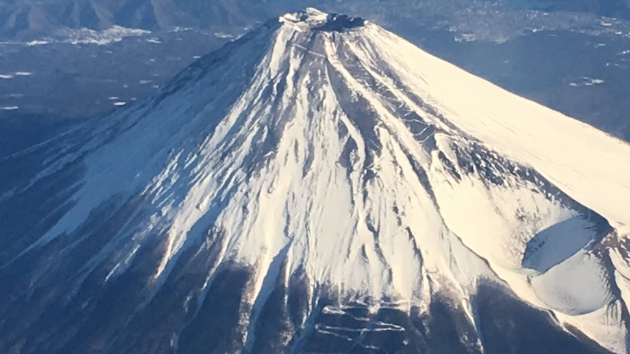
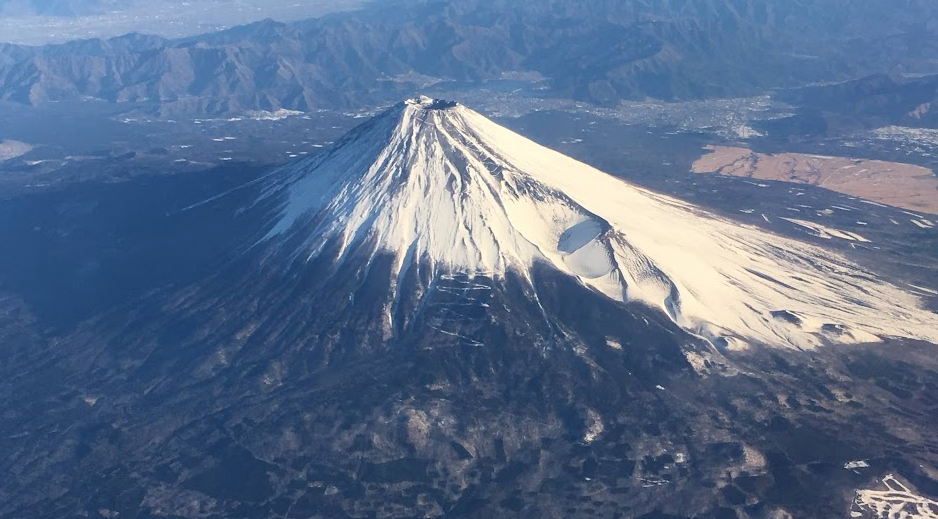
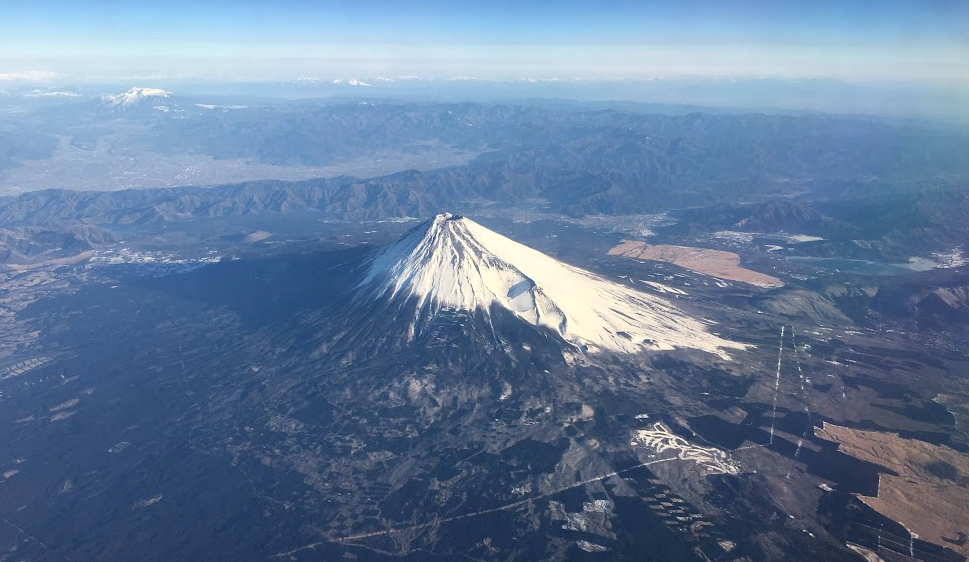
2月23日は2、2、3で「ふ」「じ」「さん」の日。語呂合わせの妙もさることながら、空気が澄むこの季節は、富士山が一層きれいに見える季節でもあります。
これの英訳に挑戦してみましょう。
February 23 marks Mt. Fuji Day. This follows the phonetic association in Japanese for 2 (fu), 2 (ji), and 3 (san), with 'san' meaning both 'mountain' and the number '3,' which reminds the Japanese people of Mt. Fuji. The 'fu' in 2 (fu) is derived from the reading of the number 2 in Japanese, commonly associated with the word 'Fuji,' while the 'ji' in 2 (ji) also evokes the idea of 'second' or 'next,' as seen in words like 'jinan' (次男: second son) or 'jikai' (次回: next time), all linked to the number 2. However, there's more to it. February is a time when the air is clearest of the year, thanks to the low temperature and humidity, making the mountain appear even more beautiful.
February 23 marks Mt. Fuji Day.
「mark」は他動詞で、mark の直後に目的語 (ここでは O と表記します)を置き、「mark O 」全体で「 O を示す」「 O を記念する」という意味を表します。要は「マーカーで強調して目立つようにして示す」ニュアンスですね。
従って、
"February 23 marks "Mt. Fuji Day"."
で、「2月23日は『富士山の日』を記念します。」
という意味を表すことができるというわけです。
このことからわかるのは、
「日付 (S) + marks (V) + 何の日を表すかを表す名詞 (O) 」
の語順で英語を並べれば
「S は O を表します。」「S は O を記念します」という意味を表すということです。
あっ、そういえば2月23日は天皇誕生日でもありましたね。すると、
"February 23 marks the Emperor's Birthday."
という英文を作ることもできますね。
marks という単語が出てこない場合は be 動詞の is で代用しても構いません。
"February 23 marks the Emperor's Birthday."
"February 23 is the Emperor's Birthday."
"February 23 marks Mt. Fuji Day."
"February 23 is Mt. Fuji Day."
どれも正文です。
"The ceremony marks the beginning of a new project."
(その式典は新しいプロジェクトの始まりを告げてくれます。)
というような例文を作ることもできます。
この marks も is で代用できるかというと、
"The ceremony marks the beginning of a new project."
"The ceremony is the beginning of a new project."
ちょっと変ですね。その儀式そのものが、ある新プロジェクトの始まりそのものとイコールにはならないからです。もし「is」を使いたい場合、文の意味が少し変わるため、文脈に合わせて使う必要があります。「その式典が新しいプロジェクトの始まりそのものである」と言いたい場合は「is」を使いますが、通常は「marks」の方が自然です。
語呂合わせの妙もさることながら...
さあ、これを英訳しろと言われたら!語呂合わせの内容を説明する必要がある箇所ですね。
February 23 marks Mt. Fuji Day.This follows the phonetic association in Japanese for 2 (fu), 2 (ji), and 3 (san), with 'san' meaning both 'mountain' and the number '3,' which reminds the Japanese people of Mt. Fuji. The 'fu' in 2 (fu) is derived from the reading of the number 2 in Japanese, commonly associated with the word 'Fuji,' while the 'ji' in 2 (ji) also evokes the idea of 'second' or 'next,' as seen in words like 'jinan' (次男: second son) or 'jikai' (次回: next time), all linked to the number 2. However, there's more to it.
February 23 marks Mt. Fuji Day. This follows the phonetic association in Japanese for 2 (fu), 2 (ji), and 3 (san),
「2月23日が富士山の日であることは、2、2、3に対する日本語の音の連想に従っています。」と書きました。
for は「に対する」、
the phonetic association は「音の連想」
という意味を表します。
with 'san' meaning both 'mountain' and the number '3,'
with + O + C = 「O が C の状態で」
と覚えてしましましょう。「付帯状況の with 」と習った方もいらっしゃるかもしれません。ここでは、
O = 'san'
C = meaning both 'mountain' and the number '3'
ですから、
「'san' が 'meaning both 'mountain' and the number '3' している状態で」という意味を表します。一旦ここまででまとめますね。
February 23 marks Mt. Fuji Day. This follows the phonetic association in Japanese for 2 (fu), 2 (ji), and 3 (san), with 'san' meaning both 'mountain' and the number '3,'
2月23日は富士山の日。これは日本語の2(ふ)、2(じ)、3(さん)に対する音の連想に従ったもので、「さん」は「山」と数字の「3」の両方を意味している状態で、
となり、先に進みます。
which reminds the Japanese people of Mt. Fuji.
そしてそれは、日本の人々に富士山を思い出させます。
remind O of 名詞 = O に 名詞を思い出させる
も重要表現で、ここでは、
O = the Japanese people
名詞 = Mt. Fuji
ですから、「日本の人々に富士山を思い出させる」と言う意味を表します。
主格の関係代名詞 which は and という接続詞と it という代名詞の役割を同時に果たす語ですので、
which = and + it =「そしてそれは」
というのが基本的な意味だと考えられて下さい。
わかりやすくするために再びここまででまとめますね。
February 23 marks Mt. Fuji Day. This follows the phonetic association in Japanese for 2 (fu), 2 (ji), and 3 (san), with 'san' meaning both 'mountain' and the number '3,' which reminds the Japanese people of Mt. Fuji.
2月23日は富士山の日。これは日本語の2(ふ)、2(じ)、3(さん)に対する音の連想に従っています。「さん」は「山」と数字の「3」の両方を意味し、そしてそのことが日本の人々に富士山を思い出させます。
段階的にご理解をいただいておりますでしょうか。
「じ」がなぜ2なのかについてご質問をいただいたことがありました。その説明もつけておきましょう。
The 'ji' in 2 (ji) also evokes the idea of 'second' or 'next,' as seen in words like 'second son' or 'next time,' all linked to the number 2.
2の「じ」も、「次男」や「次回」のような単語に見られるように全て数字の「2」に関連付けられており、「二番目」ないしは「次」という概念を呼び覚まします。
evoke
は他動詞で「evoke O」の形で用い、「Oを呼び覚ます」という意味でを表します。
as seen in + 名詞
で「名詞に見られるように」という意味を表します。
「もさることながら」
However, there's more to it.
としました。
再び段階的な理解を進める段階に参ります。繰り返せば繰り返すほどわかりやすくなるためです。やってみましょう。
February 23 marks Mt. Fuji Day. This follows the phonetic association in Japanese for 2 (fu), 2 (ji), and 3 (san), with 'san' meaning both 'mountain' and the number '3,' which reminds the Japanese people of Mt. Fuji. The 'ji' in 2 (ji) also evokes the idea of 'second' or 'next,' as seen in words like 'jinan' (次男: second son) or 'jikai' (次回: next time), all linked to the number 2. However, there's more to it.
2月23日は富士山の日。これは日本語の2(ふ)、2(じ)、3(さん)の音の連想に従っています。「さん」は「山」と数字の「3」の両方を意味します。そしてそれにより日本の人々は富士山を思い出すのです。2にある「じ」も「二番目」ないしは「次」と言う概念を呼び覚まします。「次男」や」「次回」のような単語に見られるようにです。全て数字の2に関連していますね。しかしそれだけではありません。
少し長くなりましたが、これを「2月23日は2、2、3で「ふ」「じ」「さん」の日。語呂合わせの妙もさることながら」の部分の英訳、ないしは日本語を解しない方々へのご説明といたします。
空気が澄むこの季節は、富士山が一層きれいに見える季節でもあります。
February is a time when the air is clearest of the year, thanks to the low temperature and humidity, making the mountain appear even more beautiful.
以下の3つの部分を組み合わせて日本語で表された部分を英語で表現してみました。
(1) February is a time when the air is clearest of the year,
(2) thanks to the low temperature and humidity,
(3) making the mountain appear even more beautiful.
このうち (2) は日本付近の気象に詳しくない方々にもご理解いただけるように加えた部分です。
(1) の最上級には the をつけません。「2月が空気が年間で最もきれいである時だ」という意味を表す部分ですが、「ある空気が別の多くの空気と比べて一番きれいである」という最上級であれば特定の空気を示すための the が必要になりますが、今回のように「ナンバーワンとなる唯一の特定の」を表す the が不要な場合は、最上級でも the をつけません。
(2)「低い気温と湿度のおかげで」という内容を加えて、日本の気象に詳しくない方々にもわかりやすくしました。
(3) making は「and it makes」と置き換えてもいいところですが、この3語のうち、and を省略し、it を省略することができる方法があります。それは makes を making にしてしまう方法です。日本では分詞構文と呼ばれますが、ing をつけると and と it、つまりは接続詞と主語を省略できちゃうんだ、と思っていてください。これがネイティブの感覚です。
再びまとめです。
February 23 marks Mt. Fuji Day. This follows the phonetic association in Japanese for 2 (fu), 2 (ji), and 3 (san), with 'san' meaning both 'mountain' and the number '3,' which reminds the Japanese people of Mt. Fuji. The 'fu' in 2 (fu) is derived from the reading of the number 2 in Japanese, commonly associated with the word 'Fuji,' while the 'ji' in 2 (ji) also evokes the idea of 'second' or 'next,' as seen in words like 'jinan' (次男: second son) or 'jikai' (次回: next time), all linked to the number 2. However, there's more to it. February is a time when the air is clearest of the year, thanks to the low temperature and humidity, making the mountain appear even more beautiful.
2月23日は、富士山の日。日本語の2(ふ)、2(じ)、3(さん)に対する音の連想に従っているものですが、「さん」は「山」と数字の「3」の両方を意味し、それが日本の人々に富士山を思い出させます。2の「ふ」は日本語の「2」の読み方から来ています。「じ」も「次男」や「次回」のような単語に見られるように、「二番目」や「次」という考えを呼び起こします。しかしそれだけではありません。2月は年間で最も空気がきれいな時。低い気温と湿度のおかげですが、それが富士山をさらに美しく見えるようにしてくれています。
という文になりました。冒頭の日本語
「2月23日は2、2、3で「ふ」「じ」「さん」の日。語呂合わせの妙もさることながら、空気が澄むこの季節は、富士山が一層きれいに見える季節でもあります。」
の「語呂合わせの妙もさることながら」の説明をしましたので少し長くなりました。日頃日本に馴染みのない方々にも日本をよりよく知っていただければ幸いでございます。
with + O + C =「 O が C の状態で」は入試頻出
This follows the phonetic association in Japanese for 2 (fu), 2 (ji), and 3 (san), with 'san' meaning both 'mountain' and the number '3,'
でご紹介した付帯状況の with。
with
+
O = 'san'
+
C = meaning both 'mountain' and the number '3'
ですが、この間筑波大の問題を見ていたら出ていました。
With more than half of Mongolia’s children living in Ulaanbaatar, where pneumonia is the second leading cause of death of children under age five, UNICEF declared that the city’s air pollution has become a child health crisis.
です。
With
+
O = more than half of Mongolia's children
+
C = living in Ulaanbaatar
ですから、
O =「モンゴルの子供たちの過半」
が、
C =「(モンゴルの首都) ウランバートルに住んでいる」
という状態ないしは状況で
という意味を表す部分です。そっくりですね。一度決まったパターンを覚えてしまえば、別の文脈でも応用できるというわけです。
「こんな日本語を英語にするとどうなるか」というリクエストがありましたらご遠慮なくお寄せ下さい。取り上げさせていただくかもしれません。