(本ブログでは海外ニュースを参考に、英検ライティングのテーマ対策に役立つオリジナル英文を掲載しています。)
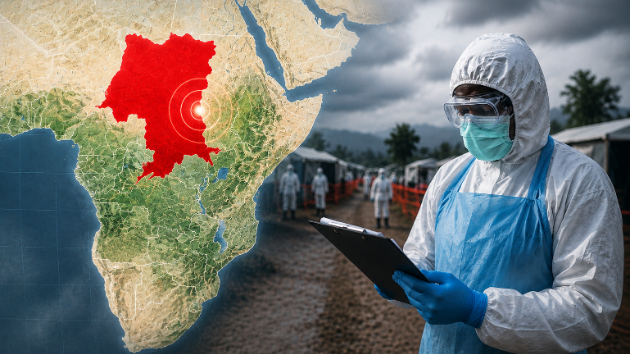
Ebola is making headlines again in 2026 due to a new outbreak in the Democratic Republic of the Congo’s conflict-affected Ituri Province. This outbreak involves Bundibugyo ebolavirus, a less common strain. Because currently approved vaccines target Zaire ebolavirus, the effectiveness of existing vaccines against this strain remains unclear.
2026年、エボラが再び世界のニュースとなっている。今回の流行はコンゴ民主共和国の紛争地域イトゥリ州で発生しており、既存ワクチンの効果が不明なブンディブギョ株である点が特に懸念されている。
The virus has expanded rapidly due to a perfect storm of challenges. Armed conflict restricts access to affected areas, while weak medical infrastructure delays diagnosis and treatment. Furthermore, misinformation within affected communities about how Ebola spreads and difficulties in contact tracing continue to fuel transmission. In response, international organizations such as the World Health Organization (WHO) are strengthening emergency measures, while researchers are racing to develop new vaccines.
感染拡大の背景には、複数の悪条件が同時に重なっていると考えられる。紛争によるアクセス制限、脆弱な医療体制、現地での誤情報、接触者追跡の困難さが、封じ込めを難しくしている。
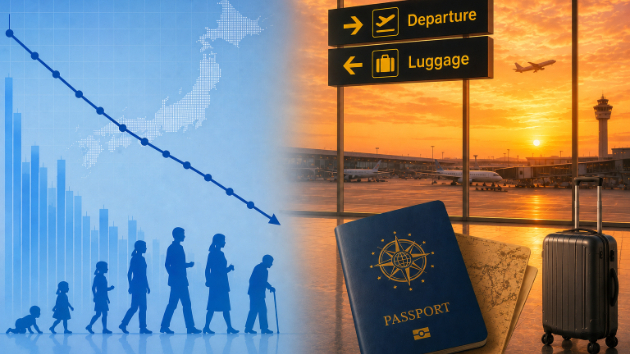
Japan is also monitoring the situation closely. While strict airport screening may help reduce risk, it cannot completely prevent imported cases. A critical but often overlooked reality is that Japan has only a limited number of specialized hospital beds for extremely dangerous infectious diseases such as Ebola. Therefore, early detection and swift containment are essential.
日本も警戒を強めているが、水際対策だけで流入リスクを完全に防ぐことはできない。また、エボラのような超高リスク感染症に対応できる専門病床は限られており、初動対応が極めて重要である。
What can we do? First, we must recognize that global health crises are interconnected, affecting economies, travel, and supply chains worldwide. Second, when alarming Ebola-related posts flood social media, we should verify them using reliable sources such as the WHO rather than reacting emotionally.
In an age of misinformation, critical thinking has become an essential part of public health.
私たちにできることは、まず感染症を「遠い国の話」と考えないことである。また、SNS上のショッキングな情報に感情的に反応せず、信頼できる情報源で確認する姿勢が求められる。
誤情報が瞬時に拡散する時代では、批判的思考そのものが公衆衛生を守る力となる。
(230 words)
Key Vocabulary
make headlines ニュースになる、話題になる
outbreak (ˈaʊtbreɪk)【名】感染拡大、発生
the Democratic Republic of the Congo コンゴ民主共和国
(中央アフリカにある国。今回のエボラ流行地であるイトゥリ州はその東端に位置する)
conflict-affected 紛争の影響を受けた
province (ˈprɑːvɪns)【名】州、省
strain (streɪn)【名】(ウイルスの) 株
a perfect storm of challenges 複数の悪条件が同時に重なる状況
armed conflict 武力紛争
affected area 被災地域、影響地域
contact tracing 接触者追跡
fuel (ˈfjuːəl)【動】〜を加速させる、あおる、助長する
transmission (trænzˈmɪʃən)【名】感染伝播、伝染
screening (ˈskriːnɪŋ)【名】検査、スクリーニング
infectious (ɪnˈfekʃəs)【形】感染性の
containment (kənˈteɪnmənt)【名】封じ込め
flood (flʌd)【動】大量に押し寄せる
misinformation (ˌmɪsˌɪnfərˈmeɪʃən)【名】誤情報
critical thinking 批判的思考
public health 公衆衛生
Useful Expressions
researchers are racing to develop new vaccines
研究者たちは新ワクチン開発を急ピッチで進めている
Japan has only a limited number of specialized hospital beds
日本には高度感染症対応の専門病床が限られている
early detection and swift containment are essential
早期発見と迅速な封じ込めが不可欠である
global health crises are interconnected
世界的な健康危機は相互につながっている
Ebola-related posts flood social media
エボラ関連の投稿がSNS上に氾濫する
we should verify them ... rather than reacting emotionally
感情的に反応する前に、情報の真偽を確認すべきである
Note
エボラは野生のコウモリに潜んでいるため根絶が難しく、紛争地帯では初期対策すら困難なのが現実です。
さらに現代の私たちが本当に恐れるべきは、ウイルスだけでなく、SNSで一瞬にして広がる誤情報ではないでしょうか。
不確かな情報をうのみにせず、一歩立ち止まって考える。できれば海外からも情報を取る。そんな私たちの小さな「批判的思考」もまた、多くの命を守る公衆衛生の第一歩ではないでしょうか。
【英検準1級 英作文講座のご案内】
英語ニュースを読む価値は、語彙を増やすことだけではありません。情報を整理し、自分の意見を論理的に組み立てる力を鍛えられる点にこそ、大きな価値があります。
英検準1級の英作文でも、単に英語を書く力だけでなく、社会問題を多面的に捉え、自分の意見を論理的に展開する力が求められます。
English Labでは、英検準1級英作文を通して、「書く力」と「考える力」の両方を育てるサポートをしています。英作文で「何を書けばいいか分からない」と感じる方は、ぜひサービス詳細をご覧ください。