(本ブログでは海外ニュースを参考に、英検ライティングのテーマ対策に役立つオリジナル英文を掲載しています。)
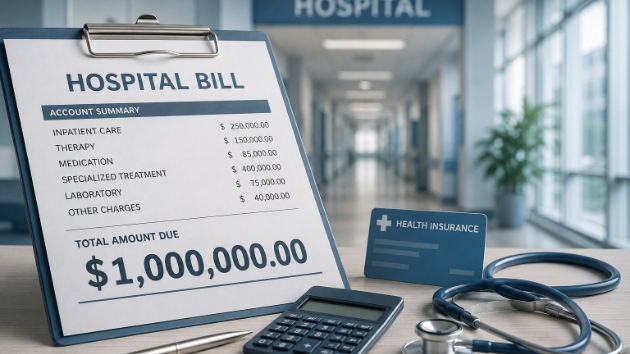
Mental health care has become a major issue in the United States. Recently, NBC News reported on a family whose daughter required treatment at a specialized mental health facility*. Because the treatment was not fully covered by insurance, the family continued paying for care and eventually accumulated more than one million dollars in debt. This case has renewed debate about whether governments should provide greater support for mental health treatment.
*NBC Nightly News with Tom Llamas (June 9, 2026)
アメリカでは精神医療の費用負担が大きな社会問題となっている。NBC Nightly Newsは、娘の治療を続けた結果、100万ドル以上の借金を抱えた家族の事例を報じた。
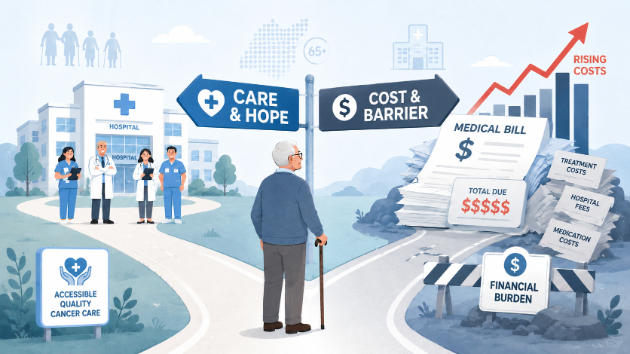
Supporters argue that mental health care is a basic healthcare need and should be accessible to everyone. Early treatment can prevent more serious problems, reduce homelessness and crime, and improve overall quality of life. They also believe that families should not face financial ruin simply because a loved one becomes ill.
賛成派は、精神医療は誰もが受けられるべき基本的な医療サービスだと主張している。また、早期治療は社会問題の予防につながり、家族の経済的負担も軽減できると考えている。
On the other hand, opponents argue that expanding public support would require higher taxes and increase government spending. Some also worry that broader coverage could lead to unnecessary treatments and place additional pressure on already limited healthcare resources.
反対派は、公的支援の拡大には増税や財政負担の増加が伴うと指摘している。さらに、医療資源が限られている中で、過剰な利用が起こる可能性も懸念されている。
Compared with the United States, Japan has a universal healthcare system that generally makes medical treatment more affordable. Although Japan also faces challenges such as rising healthcare costs and shortages of specialists, patients are less likely to accumulate massive debts for necessary treatment. This suggests that public healthcare systems can provide greater financial security for families facing serious illnesses.
日本では国民皆保険制度により、医療費の自己負担が比較的抑えられている。そのため、治療費が原因で家族が巨額の借金を抱えるケースはアメリカより少ないと考えられている。
(227 words)
Key Vocabulary
major issue 重大な問題
cover (ˈkʌvər)【動】(医療費を) 負担する、補償する、適用する
pay for ~の費用を支払う
accumulate (əˈkjuːmjəleɪt)【動】積み上げる、蓄積する
in debt 借金を抱えている、負債がある
homelessness (ˈhoʊmləsnəs)【名】ホームレス状態、住居喪失
quality of life 生活の質、QOL
financial ruin 経済的破綻、財政破綻
opponent (əˈpoʊnənt)【名】反対派
government spending 政府支出、財政支出
coverage (ˈkʌvərɪdʒ)【名】保険適用範囲、補償内容
resources (rɪˈsɔːrsɪz) 【名】(複数形で) 資源、人的・物的資源
universal (ˌjuːnɪˈvɜːrsl)【形】普遍的な、全国民を対象とした
affordable (əˈfɔːrdəbl)【形】手頃な価格の、負担可能な
Useful Expressions
the treatment was not fully covered by insurance
その治療費が保険で全額カバーされない
debate about whether governments should provide greater support
政府がより広範な支援をするかどうかについての議論
basic healthcare should be accessible to everyone
誰もが基本的な医療サービスを受けられるべきである
Early treatment can improve quality of life
早期治療が生活の質を向上させる
simply because a loved one becomes ill
大切な人が病気になったという理由だけで
broader coverage could lead to unnecessary treatments
広範な保険適用は、不要な治療につながりかねない
healthcare system that makes medical treatment more affordable
医療をより手頃な費用で受けられる制度
Note
今回のニュースは、アメリカの医療保険制度と日本の国民皆保険制度の違いを考えるきっかけになります。
アメリカでは民間保険が中心であり、保険の適用範囲によっては高額な自己負担が発生することがあります。そのため、必要な治療を受けた結果、家族が多額の借金を抱えるケースも珍しくありません。
一方、日本では国民皆保険制度によって医療費の自己負担が一定程度抑えられており、高額療養費制度などの仕組みも整備されています。もちろん医療費の増加や医師不足といった課題はありますが、治療費によって家計が破綻するリスクは比較的小さいと言えるでしょう。
医療制度のあり方は、税負担や社会保障のあり方とも深く関係しています。英検準1級のライティングでは、医療、福祉、税金、政府支出といったテーマが関連して出題されることもあるため、自分なりの意見を考えておくと役立ちます。
【英検準1級 英作文講座のご案内】
医療や福祉のような頻出テーマでは、社会問題を多角的に捉え、根拠を持って意見を述べる力が重要です。
English Labでは、論理構成の設計から英文化まで、段階的に学べる英作文講座をご用意しています。