(本ブログでは海外ニュースを参考に、英検ライティングのテーマ対策に役立つオリジナル英文を掲載しています。)
“Children should start learning English as early as possible.”
This idea sounds reasonable, but recent research suggests that we may be asking the wrong question.
「子どもの英語は、できるだけ早く始めたほうがよい」という考えは、一見もっともらしく聞こえる。しかし近年の研究では、そもそも問いの立て方自体を見直す必要があると指摘されている。
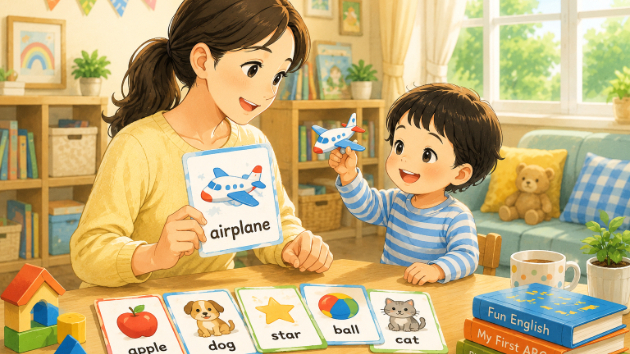
Early childhood foreign language education is no longer discussed simply as a question of starting age. Recent research suggests that the quality of interaction may matter more than how early children begin. Songs, stories, play, and warm communication can help young children become familiar with new sounds and reduce anxiety about using another language.
幼児期の外国語教育は、もはや「何歳から始めるべきか」という単純な議論ではない。近年は、開始年齢よりも、どのようなやり取りの中で言語に触れるかのほうが重要だと考えられている。
However, early exposure alone does not guarantee strong language ability. Vocabulary, grammar, reading, and thinking skills require rich and meaningful input over time. If foreign language learning replaces conversation and reading in the child’s first language, children may lose important opportunities to develop ideas clearly.
一方で、早期に触れさせるだけで高い言語能力が身につくわけではない。語彙・文法・読解力、さらには思考力の発達には、長期的かつ質の高いインプットが必要である。
There is also a difference between Asia and Western countries. In many Asian countries, English education is often connected with competition, school readiness, and future success. In Western countries, the debate is more closely linked to multilingualism, immigration, and how schools support children’s home languages.
また、アジアと欧米では議論の焦点にも違いがある。アジアでは競争や受験との結びつきが強い一方、欧米では多言語環境の中で家庭の言語をどう維持するかが重視されている。
Recent views therefore suggest that foreign language learning should not weaken the first language. Rather, a strong first language can support the learning of another language.
Ultimately, the most important question is not how early children start, but what parents want their children to do with a foreign language.
最近の学説では、外国語学習が母語の発達を弱めるべきではないと考えられている。結局のところ重要なのは、何歳から始めるかではなく、親が子どもに外国語を使って何をできるようになってほしいのかという目的である。
(218 words)
Key Vocabulary
sound reasonable もっともらしく聞こえる
interaction (ˌɪntərˈækʃən)【名】相互作用、やり取り
matter (ˈmætər)【動】重要である、問題となる
become familiar with 〜に慣れる、〜に親しむ
anxiety (æŋˈzaɪəti)【名】不安、心配
exposure (ɪkˈspoʊʒər) 【名】接触、触れること
over time 時間をかけて、徐々に
replace (rɪˈpleɪs)【動】置き換える、取って代わる
first language 第一言語、母語
competition (ˌkɑːmpəˈtɪʃən)【名】競争
multilingualism (ˌmʌltiˈlɪŋɡwəlɪzəm)【名】多言語使用、多言語環境
immigration (ˌɪməˈɡreɪʃən)【名】移民、移住
home language 家庭で主に使われる言語、家庭内言語
view (vjuː)【名】見方、考え方
ultimately (ˈʌltɪmətli)【副】最終的に、結局のところ、突き詰めると
Useful Expressions
is no longer discussed simply as a question of ~
もはや単に~の問題として議論されていない
the quality of interaction may matter more than ~
やり取りの質が~よりも重要であるかもしれない
early exposure alone does not guarantee ~
早期の接触だけでは、~は保証されない
English education is often connected with ~
英語教育はしばしば~とつながっている
the debate is more closely linked to ~
議論はより密接に~と関係している
the most important question is not (A), but (B)
もっとも重要な問題は(A)ではなく、(B)である
Note
近年の学説では、「何歳から始めるか」以上に、「どのようなやり取りの中で言語に触れるか」が重要だという見方が主流になりつつあるようです。
また、母語の発達を犠牲にして外国語学習を進めるべきではないとも考えられています。むしろ、母語の語彙力・読解力・思考力が強い子どものほうが、第二言語も効率よく習得しやすいようです。
そう考えると、学校だけでなく、家庭の中でどのような言語環境を作るかが、子どもの言語発達を左右する重要な要素になっていくのかもしれません。
【英検準1級 英作文講座のご案内】
今回のテーマのように、英語教育や言語習得に関する話題は、英検ライティングでも「教育」「社会問題」系の論点として扱いやすいテーマです。
こうしたテーマでは、賛否を述べるだけでなく、背景や複数の視点を整理しながら論理的に意見を組み立てる力が求められます。
もし英検ライティングで「何を書けばよいかわからない」「論理的に書けない」と感じている方は、ぜひ私の英作文講座をご覧ください。英検準1級の英作文を、論理構成から合格答案完成まで4ステップで段階的に学べる講座です。