状況や例文とともに覚えよう
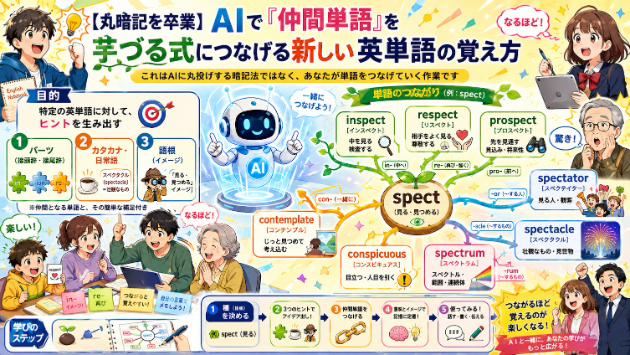
日本では英語学習のために単語を暗記することは確かに一般的ですが、単語だけを暗記するアプローチには限界があると思います。単語を覚えることは基本的には重要ですが、実際に使いこなすためには、文脈の中でその単語を理解し、使う練習が必要です。
例えば、単語「abbreviation」や「abnormal」をただ覚えても、実際に会話や文章でその単語を自然に使うのは難しいことがあります。単語を覚えるときは、それが使われる状況や例文とともに覚えると、より効果的に理解できます。
また、「accompany」や「adhere」などの動詞は、特に他の語と組み合わせて使われることが多いので、その使い方を理解することが重要です。例えば、「accompany me」や「adhere to + 名詞」のように、実際の表現を学ぶことで、実用的な英語力を身につけることができます。
ですので、単語の暗記に加えて、実際の使用例を意識して学ぶことが大切だと思います。
そこで以下の内容を作ってみました。
以下の 25 語について、使われる状況や例文を示します。
1. abbreviation
(n. shortening something by omitting parts of it)
状況: 長い言葉やフレーズを短縮して使うときに使用されます。
例文: "The abbreviation 'CEO' stands for 'Chief Executive Officer.'"
2. abnormal
(a. unusual; not typical; not normal)
状況: 普通ではない、または予想外の事象や状態を説明する際に使われます。
例文: "The doctor noticed an abnormal heartbeat in the patient."
3. abort
(v. stop; terminate before completion; terminate a pregnancy)
状況: 何かを途中で止める、または終了する必要がある状況で使われます。妊娠中絶のことを、これの名詞形で abortion と言いますね。
例文: "They had to abort the mission due to unforeseen weather conditions."
4. abrasive
(a. rubbing away; tending to grind down)
状況: 物理的に摩耗させるものや、性格がきつい人物を指す場合に使われます。
例文: "The abrasive surface of the sandpaper made it easy to smooth the wood."
5. absence
(n. state of being absent; state of being away)
状況: 何かが欠けている、または不在であることを指すときに使います。
例文: "Her absence from the meeting was noted by everyone."
6. absolutely
(ad. utterly; not viewed in relation to other things or factors)
状況: 完全に、または絶対的に何かを強調する際に使われます。
例文: "I absolutely agree with your proposal."
7. abstract
(a. theoretical; not concrete; not applied or practical; difficult to understand)
状況: 理論的な概念や現実には適用しづらい考え方を表現する際に使います。
例文: "The concept of justice is often discussed in abstract terms."
8. accidental
(a. unexpected; happening by chance, unintentionally)
状況: 意図せずに、または偶然に起こった出来事について言及する際に使います。
例文: "The fire was accidental and caused by a short circuit."
9. accompany
(v. travel with; be associated with)
状況: 誰かと一緒に行動する、または一緒に存在することを表すときに使われます。
例文: "She will accompany me to the conference in Paris."
10. accomplished
(a. skilled; experienced; having many social graces; polished or refined)
状況: 熟練している、または高い能力を持っている人を表現する際に使います。
例文: "He is an accomplished musician who has performed worldwide."
11. accounting
(n. a system that provides quantitative information about finances)
状況: 財務や経済的な記録を管理する職業や分野について言及する際に使います。
例文: "The company's accounting department is responsible for preparing financial statements."
12. acid
(n. sour; water-soluble compounds having a sour taste; quality of being sarcastic, bitter, or scornful)
状況: 酸っぱいものや、皮肉や冷笑的なコメントについて話す際に使います。
例文: "Her acid remarks hurt my feelings."
13. acidic
(a. tasting sour like acid; being or containing an acid)
状況: 酸性を示すものや、酸味を持っている食べ物を説明する際に使います。
例文: "Lemon juice is highly acidic and can be used to clean tarnished metals."
14. actual
(a. true; real; being, existing, or acting at the present moment; current)
状況: 実際の、または現実的なものを強調する際に使います。
例文: "The actual cost of the project was much higher than anticipated."
15. acupuncture
(n. treatment of pain or disease by inserting the tips of needles at specific points on the skin)
状況: 痛みの緩和や治療法として鍼治療を使う際に使います。
例文: "She underwent acupuncture to alleviate her chronic back pain."
16. adequate
(a. sufficient; enough to meet a purpose)
状況: 何かが目的に対して十分であるか、必要な基準を満たしているときに使います。
例文: "The hotel room was adequate for our needs, though not luxurious."
17. adhere
(v. stick fast; stick to firmly; be compatible or in accordance with)
状況: 物理的にくっつくこと、またはルールや規則に従うことを表す際に使います。
例文: "You need to adhere to the instructions carefully to complete the task."
18. adhesive
(a. sticky; glutinous; tending to persist)
状況: 何かにくっつく特性を持つものについて言及する際に使います。
例文: "This adhesive tape is perfect for wrapping packages."
19. adjunct
(n. something added on or attached generally nonessential or inferior)
状況: 主となるものに追加されたが、重要性が低い部分を表す際に使います。
例文: "The university offers adjunct courses that supplement the main curriculum."
20. admit
(v. permit to enter; receive; provide the right or a means of entrance to)
状況: 何かに入ることを許可する、または受け入れる状況で使われます。
例文: "The concert hall will admit people with valid tickets only."
21. adventure
(n. something happens without design; chance; hazard; risk; danger)
状況: 予期しない出来事や冒険的な活動に言及する際に使います。
例文: "Their trip to the jungle turned into a thrilling adventure."
22. adventurous
(a. valiant; venturesome; inclined or willing to incur hazard or engage in adventures)
状況: 危険や冒険に挑戦する意欲がある性格を表現する際に使います。
例文: "He had an adventurous spirit, always looking for the next thrill."
23. adversity
(n. state of misfortune, hardship, or affliction; misfortune)
状況: 困難や逆境に直面している状況で使います。
例文: "Despite facing adversity, she remained determined to succeed."
24. advocate
(v. speak, plead, or argue in favor of; plead for; push for something)
状況: 何かを支持する、または推進する行動を示す際に使います。
例文: "She advocates for better mental health resources in schools."
25. aerodynamics
(n. study of how objects move through the air or water)
状況: 物体が空気や水を通過する方法に関する科学的な分野で使われます。
例文: "Understanding aerodynamics is crucial for designing efficient airplanes."
この演習で力をつけます!
1. abbreviation
What is the meaning of "abbreviation"?
A) The action of trying at something
B) Shortening something by omitting parts of it
C) A song of praise or devotion
D) A shield used for protection
2. abnormal
What does "abnormal" mean?
A) Unusual; not typical or normal
B) A slight illness
C) A regular, predictable pattern
D) Something used to accompany food
3. abort
What does "abort" mean?
A) To continue until completion
B) To stop or terminate before completion
C) To start a new project
D) To explain in detail
4. abrasive
Which of the following best describes "abrasive"?
A) Soft and smooth
B) Rubbing away; tending to grind down
C) Pleasant and gentle
D) Something that improves health
5. absence
What is the definition of "absence"?
A) The state of being present
B) The state of being absent; not present
C) Something added on or attached
D) A quantity of food
6. absolutely
What does "absolutely" mean?
A) In relation to something else
B) Utterly; not viewed in relation to other things
C) Sometimes; occasionally
D) Almost, but not quite
7. abstract
What does "abstract" refer to?
A) Something very practical and easy to understand
B) Theoretical; not concrete or practical
C) A type of decorative art
D) Something that is highly relatable
8. accidental
What does "accidental" mean?
A) Intentional and planned
B) Expected and predictable
C) Unexpected and happening by chance
D) A calculated decision
9. accompany
What does "accompany" mean?
A) To travel with or be associated with
B) To finish something completely
C) To handle a situation alone
D) To argue for something
10. accomplished
What does "accomplished" mean?
A) Skilled and experienced
B) Lacking skill
C) Someone who performs a task poorly
D) A state of being absent
11. accounting
What is the meaning of "accounting"?
A) The study of history
B) A system that provides quantitative information about finances
C) A method for organizing physical space
D) A type of philosophical theory
12. acid
What is an "acid"?
A) A substance with a sweet taste
B) A substance with a sour taste, often water-soluble
C) A substance that has no taste
D) A substance used to calm nerves
13. acidic
What does "acidic" mean?
A) Tasting sweet and pleasant
B) Having a sour taste, like an acid
C) Containing no acid
D) A property of being very bitter
14. actual
What does "actual" mean?
A) Theoretical
B) Existing or happening in reality
C) Imagined or unreal
D) Expected, but not happening
15. acupuncture
What is "acupuncture"?
A) A type of mental therapy
B) A treatment for pain or disease by inserting needles into the skin
C) A type of physical exercise
D) A method for diagnosing illnesses
16. adequate
What does "adequate" mean?
A) More than enough to meet a purpose
B) Not enough for any purpose
C) Sufficient to meet a purpose or need
D) Far less than what is needed
17. adhere
What does "adhere" mean?
A) To stick fast or stick to something firmly
B) To move away from something
C) To separate two objects
D) To stay in one place
18. adhesive
What does "adhesive" mean?
A) A substance that sticks or bonds
B) A substance used for painting
C) A substance that repels other substances
D) A chemical used to break things apart
19. adjunct
What does "adjunct" mean?
A) Something added on or attached, but not essential
B) A main component or core part
C) A situation that involves high risk
D) A specific type of food
20. admit
What does "admit" mean?
A) To refuse entry
B) To allow or permit entry
C) To provide a means of escape
D) To speak against something
21. adventure
What is an "adventure"?
A) Something that happens without planning, often involving risk or danger
B) A quiet and uneventful event
C) A regular, routine occurrence
D) Something predictable and controlled
22. adventurous
What does "adventurous" mean?
A) Cautious and careful
B) Inclined to take risks or engage in adventures
C) Reluctant to try new things
D) Opposed to trying new experiences
23. adversity
What is "adversity"?
A) The state of having a comfortable life
B) Misfortune, hardship, or a difficult situation
C) A peaceful and stable period in life
D) The state of being happy and successful
24. advocate
What does "advocate" mean?
A) To argue in favor of something
B) To stand against something
C) To ignore or avoid something
D) To search for something actively
25. aerodynamics
What does "aerodynamics" refer to?
A) The study of how objects move through air or water
B) The study of human movement
C) The study of the earth's atmosphere
D) The study of electrical properties
この解説は記憶に残りますか?
1. abbreviation
正解: B) Shortening something by omitting parts of it
解説: "Abbreviation"は、言葉や表現を短縮することを意味します。「Professor」を「Prof.」とするのがその一例です。
2. abnormal
正解: A) Unusual; not typical or normal
解説: "Abnormal"は、「通常でない」「普通ではない」という意味で、何かが一般的な基準から外れていることを指します。
3. abort
正解: B) To stop or terminate before completion
解説: "Abort"は、計画や活動を途中で中止することを意味します。特に、意図的に中止する場合に使われます。
4. abrasive
正解: B) Rubbing away; tending to grind down
解説: "Abrasive"は「摩耗させる、削り取る」という意味で、物理的に表面を削るものや、性格が粗い人物にも使われます。
5. absence
正解: B) The state of being absent; not present
解説: "Absence"は「不在」や「欠席」を意味し、何かがそこに存在しない状態を指します。
6. absolutely
正解: B) Utterly; not viewed in relation to other things
解説: "Absolutely"は「全く、完全に」といった意味で、他の条件や要素に関係なく絶対的な状態を指します。
7. abstract
正解: B) Theoretical; not concrete or practical
解説: "Abstract"は具体的でない、理論的な概念を指し、抽象的なものを指す時に使います。
8. accidental
正解: C) Unexpected and happening by chance
解説: "Accidental"は「偶然の、予期しない」という意味で、計画や意図なしに起こる出来事を指します。
9. accompany
正解: A) To travel with or be associated with
解説: "Accompany"は「一緒に行く」「同行する」という意味です。誰かと一緒に移動したり、共に行動したりすることを示します。
10. accomplished
正解: A) Skilled and experienced
解説: "Accomplished"は「熟練した」「経験豊富な」といった意味で、特定の分野で優れた技術や能力を持つことを示します。
11. accounting
正解: B) A system that provides quantitative information about finances
解説: "Accounting"は「会計」のことで、財務に関する定量的な情報を提供するシステムを指します。
12. acid
正解: B) A substance with a sour taste, often water-soluble
解説: "Acid"は「酸」を意味し、酸は通常、酸っぱい味を持ち、水に溶ける性質があります。
13. acidic
正解: B) Having a sour taste, like an acid
解説: "Acidic"は「酸性の」「酸のような味」という意味で、酸を含んだものや酸っぱい味のものを指します。
14. actual
正解: B) Existing or happening in reality
解説: "Actual"は「実際の」「現実の」という意味で、理論的ではなく、実際に存在することを指します。
15. acupuncture
正解: B) A treatment for pain or disease by inserting needles into the skin
解説: "Acupuncture"は「鍼治療」で、身体の特定の部位に針を刺して痛みや病気を治療する方法です。
16. adequate
正解: C) Sufficient to meet a purpose or need
解説: "Adequate"は「適切な」「十分な」という意味で、目的や必要に対して十分な量や質があることを指します。
17. adhere
正解: A) To stick fast or stick to something firmly
解説: "Adhere"は「しっかりとくっつく」「固守する」という意味で、物理的にしっかりとくっつくことや、規則を守ることにも使われます。
18. adhesive
正解: A) A substance that sticks or bonds
解説: "Adhesive"は「接着剤」や「粘着性のある物質」を指し、物をくっつける役割を持つものです。
19. adjunct
正解: A) Something added on or attached, but not essential
解説: "Adjunct"は「付加物」や「補助的なもの」で、必須ではないが追加されたものを指します。
20. admit
正解: B) To allow or permit entry
解説: "Admit"は「認める」「許可する」という意味で、特に場所や団体に入ることを許可する際に使います。
21. adventure
正解: A) Something that happens without planning, often involving risk or danger
解説: "Adventure"は「冒険」で、計画せずに起こる、リスクや危険が伴う出来事を指します。
22. adventurous
正解: B) Inclined to take risks or engage in adventures
解説: "Adventurous"は「冒険的な」「リスクを取ることを好む」という意味で、新しいことや危険なことに挑戦する態度を指します。
23. adversity
正解: B) Misfortune, hardship, or a difficult situation
解説: "Adversity"は「逆境」「困難」という意味で、困難な状況や試練を指します。
24. advocate
正解: A) To argue in favor of something
解説: "Advocate"は「支持する」「擁護する」という意味で、あることに賛成して、それを支持する立場を取ることを指します。
25. aerodynamics
正解: A) The study of how objects move through air or water
解説: "Aerodynamics"は「空気力学」で、物体が空気や水を通る時の動きを研究する分野です。aero は「空」、dynamics は「動」と覚えてください。
理解を深めるために、それぞれの語彙を文脈の中で使う練習も続けていくと良いですね!文脈の中で単語を覚えることは、その単語を自然に使いこなすためにとても効果的です。焦らず、楽しみながら学んでいきましょう!あなたの努力は必ず実を結びます。応援しています!🚀📚
頑張ってくださいね!