SaaS is a business model in which resources (hardware, software) installed on
the premises of a company or organization are used by a reliable provider
when and as much as needed. It is the same business model as public
services (electricity, gas, water).
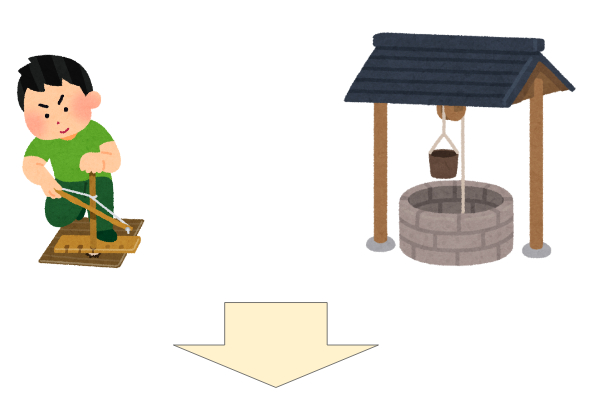
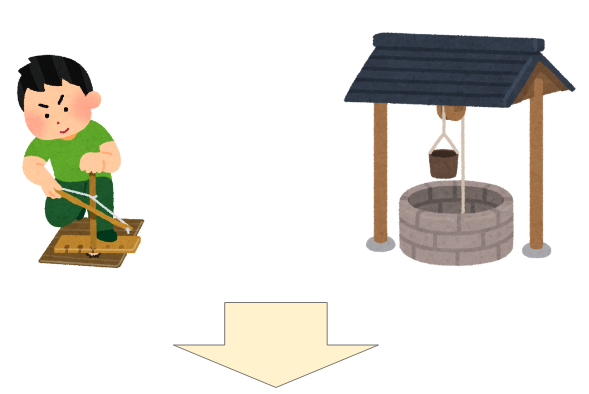
For example, a long time ago, you used to set your own fire or pump water
from a well. (= Self-sufficiency concept)
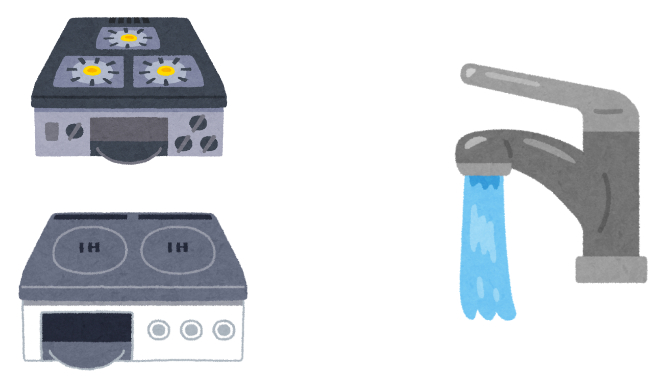
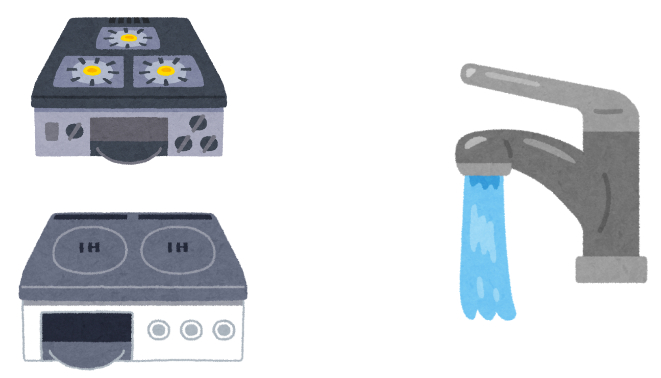
You can now cook on a gas stove or IH, and water will come out when you
twist the faucet. (= Market economy)
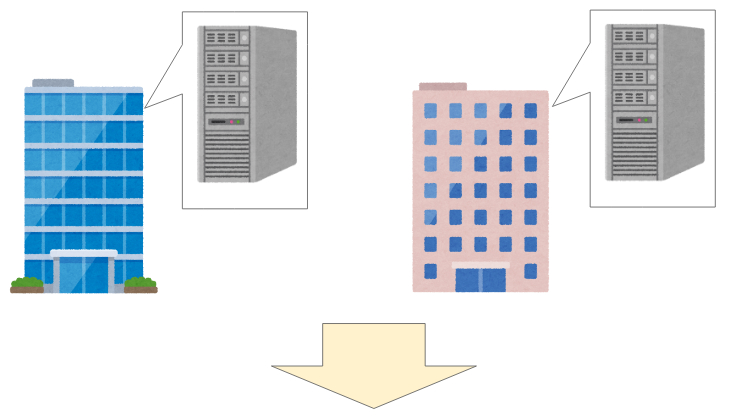
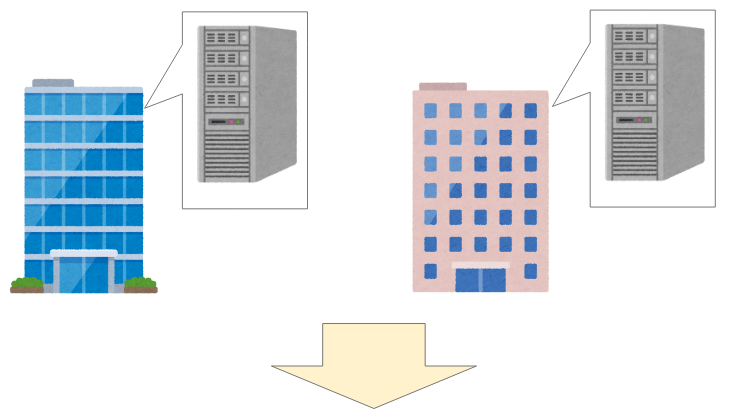
For example, a long time ago, every company installed a server in their own
office, and their IT engineers developed the applications. Server procurement,
operation, and maintenance were all at their own risk.
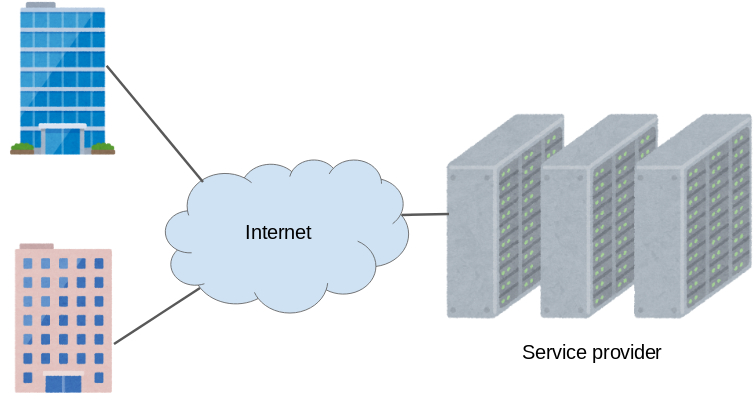
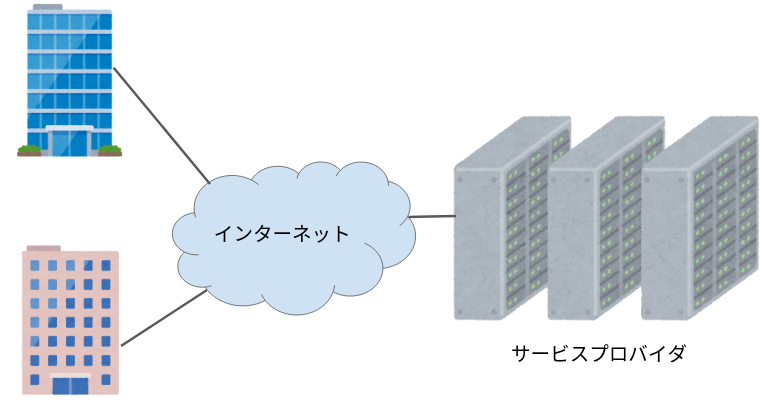
In the case of SaaS, you can take advantage of external resources via the
Internet. The service provider takes responsibility for the procurement,
operation and maintenance of the server.
The advantages and disadvantages of SaaS are as follows.
■Advantages
①Cheap
The initial cost is low because you do not have to purchase hardware.
No maintenance or upgrades required.
②No need (or minimal) to install or build a computer
You can start using it in a short period of time.
③Scalability
It is easy to respond to sudden increases and decreases in users and
processing volume.
④Disaster countermeasures
You can expect data protection and early recovery even in the event of
a disaster.
■Disadvantages
①Security risk
Since your data (information) will be entrusted to the outside, you are
worried that it will not be lost or leaked.
②Service outage due to a failure on the provider side
You cannot use the service when the communication channel or network
fails.(Recovery work cannot be performed on the user side.)
[Japanese]
SaaSは、企業・組織の構内に設置している資源(ハードウェア、ソフトウェア)を、信頼できる提供者から必要なときに、必要なだけ使おうというビジネスモデルです。それは公共サービス(電気・ガス・水道)と同じビジネスモデルです。
(例)昔は自分で火を起こしたり、井戸から水を汲み上げていました。
(=自給自足の考え方)
ガスコンロやIHで料理できるようになり、蛇口をひねれば水が出てくるようになりました。(=市場経済)
(例)昔はどの企業も自社の設備内にサーバを導入・設置し、自社のIT技術者がアプリケーションを開発していました。サーバの調達・運用・保守は全て
自社責任です。
SaaSでは、インターネットを介して外部のリソースを活用できます。サーバの調達・運用・保守は、サービスプロバイダの責任です。
SaaSにもメリット・デメリットはあります。
■メリット
①安い
ハードウェアを購入しなくてよいので、初期導入コストが安いです。
メンテナンスやアップグレードも必要ありません。
②コンピュータの導入や構築が不要(もしくは最小限で済みます)
短期間で利用開始できます。
③拡張性
利用者や処理量の急な増減に対応しやすいです。
④災害対策
災害時にもデータの保護や早期の復旧が期待できます。
■デメリット
①セキュリティリスク
外部にデータ(情報)を預けることになるので、データの消失・流出が
起きないか、不安はあります。
②プロバイダ側の障害等によるサービス停止
通信回線、ネットワークの障害時には利用できません。
(利用者側で復旧作業ができません)