(本ブログでは海外ニュースを参考に、英検ライティングのテーマ対策に役立つオリジナル英文を掲載しています。)
When The New York Times reported on adults caring for parents who had abused them in childhood*, it challenged the conventional image of eldercare. Caregiving is not merely physical labor; it can also involve deep psychological burdens, reopening past traumas that family affection alone may not heal.
*"The Pain of Caring for a Parent Who Abused You," Updated June 17, 2026
ニューヨーク・タイムズの記事は、介護が身体的負担だけでなく、過去のトラウマを再燃させる心理的負担も伴うことを示した。
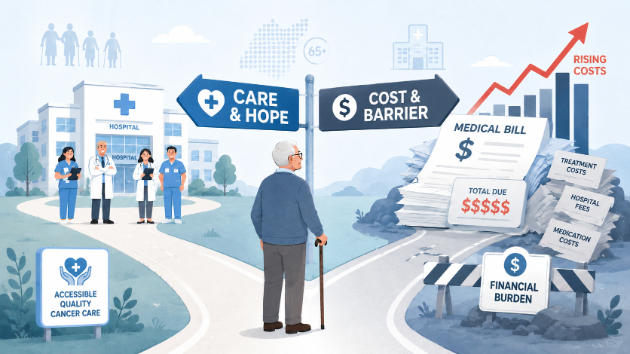
This crisis is no longer only an issue for the elderly. It is increasingly becoming a structural challenge that affects the careers, relationships, and life plans of younger generations. According to the WHO, the global population over 60 is expected to reach 2.1 billion by 2050. While Nordic countries have reduced family burden through strong public care systems, the United States still relies heavily on families because of high institutional care costs.
介護は高齢者だけの問題ではなく、若い世代のキャリアや人生設計にも影響する構造的課題になっている。世界的な高齢化で、その負担はさらに増すと予想される。
Japan stands at the forefront of this demographic shift, with over 30% of its population aged 65 or older. Although public long-term care insurance exists, much of the actual burden still falls on families. As a result, many young people delay career advancement, marriage, or other major life decisions. In this sense, caregiving can be seen as an “invisible tax” paid not in money, but in lost opportunities.
日本では介護保険制度があるものの、実際の負担は家族に集中している。その結果、若者は昇進や結婚などを先送りし、「見えない税金」ともいえる機会損失を抱えている。
Addressing this issue may require better support for care workers, stronger family assistance, and wider use of technology. At the same time, individuals may reduce future burdens by planning early, understanding support systems, and setting realistic boundaries.
解決には制度改革や技術活用が必要である。同時に個人も、早めの準備と制度理解によって将来の負担を軽減できる。
(224 words)
Key Vocabulary
conventional (kənvénʃənəl)【形】従来の、慣習的な
eldercare (éldərkèr)【名】高齢者介護
caregiving (kérɡìvɪŋ)【名】介護、ケア提供
psychological burden 心理的負担
trauma (trɔ́ːmə)【名】心的外傷、トラウマ
affection (əfékʃən)【名】愛情、愛着
the elderly 高齢者 (集合的)
structural (strʌ́ktʃərəl)【形】構造的な
Nordic countries 北欧諸国
institutional (ìnstətjúːʃənəl)【形】制度上の、施設の
demographic shift 人口構造の変化
career advancement 昇進、キャリア向上
boundary (báundəri)【名】境界、線引き
Useful Expressions
it challenged the conventional image of eldercare
従来の高齢者介護のイメージに一石を投じた
the United States still relies heavily on families
米国はいまだ家族に大きく依存している
Japan stands at the forefront of this demographic shift
日本はこの人口構造変化の最前線にいる
much of the actual burden still falls on families
実際の負担の多くは家族にのしかかる
caregiving can be seen as an “invisible tax” paid not in money, but in lost opportunities
介護は、金銭ではなく、失われた機会という形で支払われる「見えない税金」ともいえる
Addressing this issue may require better support
この問題への対応には、より手厚い支援が必要かもしれない
reduce future burdens by setting realistic boundaries
無理のない境界線を設けることで、将来の負担を減らす
Note
介護は高齢者福祉の問題として語られることが多いですが、同時に、若い世代のキャリアや人生設計にも大きな影響を与える経済・社会問題として捉えることができます。それは、世代間で社会的コストをどのように分担するかという構造的な課題でもあります。
こうしたテーマは、英検ライティングにおいても、「個人の責任(Individual responsibility)」と「政府の役割(Government’s role)」を考えるうえで重要な論点です。
ただニュースを英語で読むだけでなく、日常的に社会問題を自分の言葉で多角的に考える習慣をつけることは、英語力だけでなく、論理的思考力を養うことにもつながります。
【英検準1級 英作文診断のご案内】
英語学習において重要なのは、単に英語を読むことではありません。社会問題を理解し、それに対する自分の立場を論理的に組み立て、英語で表現する力こそが本質です。
もし英検ライティングで、
「何を書けばよいかわからない」「意見はあるのに英語にできない」
と感じているなら、まずは自分の弱点を知ることから始めてみませんか。
English Labでは、論理構成に重点を置いた英作文診断・添削を行っています。





.png)




.png)