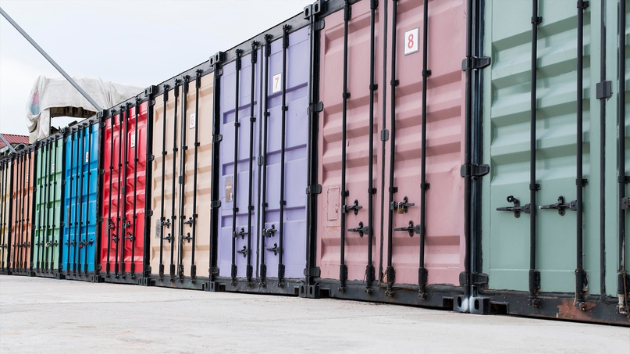
Container liners are important materials used to line the inside of containers used to transport cargo by ship, truck and rail. They protect goods from damage and contamination during transport. Container liners are made from materials such as polypropylene and come in variations such as stretch food film, bulk container liners and lift van liners. They prevent damage to goods and make it easier to load and unload containers.
The global container liner market is estimated to reach USD 4.2 billion in 2024, and is expected to exhibit a CAGR of 5.4% over the forecast period of 2023 to 2031. Container liners have emerged as a necessity for the safe and secure transportation of goods across the globe.
Key Takeaways
Key Players: The key players operating in the container liner market are Berry Global Group, Greif Inc., United Bags Inc., CDF Corporation, Bulk Corp International, Intertape Polymer Group, Protex, Ven Pack, Emmbi Industries Limited, Rocky Mountain Bag, and Rishi FIBC Solutions Pvt. Ltd.
Increasing Demand: There is immense demand for container liners from industries like agriculture, mining, chemicals, food & beverages, construction materials, etc. This is due to the increase in global trade activities and the expansion of the logistics industry.
Global Expansion: Leading liner manufacturers are expanding their global reach by enhancing their production capabilities and supply chain networks across high-growth markets. Many companies are introducing bio-based, eco-friendly container liners to capitalize on sustainability trends.
Key Market Trends
One of the major trends gaining momentum in the container liner market is the move towards more sustainable solutions. Manufacturers are focusing on developing bio-based and recycled materials to produce environmentally friendly container liners. Some companies have even started utilizing plastic waste recovered from the oceans to manufacture liner sheets. This provides a double win for sustainability by reducing plastic pollution in the oceans and producing a low-carbon product. The trend towards sustainable packaging is expected to continue over the next decade, accelerating the liner industry's transition to a circular economy model.
Porter's Analysis
Threat of New Entrants: New entrants have an advantage as capital requirements are low, but existing players enjoy economies of scale and brand loyalty.
Bargaining power of buyers: Large customers can negotiate better prices, but shipping needs dictate the power of suppliers.
Bargaining power of suppliers: Container and vessel suppliers are under pressure from buyers to reduce prices and improve service quality.
Threat of new alternatives: There is no alternative to transporting bulk cargo across the ocean. Intermodal transport complements container shipping.
Increasing competition: Intense competition among large multinational companies keeps prices low and demands continuous improvements in service and fuel efficiency.
Geographic concentration
More than half of the world's container traffic is concentrated on routes connecting Northern Europe and Asia, with Chinese ports such as Shanghai and Shenzhen being major hubs of container liner activity, along with Northern European ports.