Few driving situations are more frustrating than turning the key and hearing nothing but a weak clicking sound. A dead battery can happen unexpectedly, especially during cold weather, after leaving lights on, or when a battery is nearing the end of its lifespan. While jump-starting a car can quickly get you back on the road, many drivers make the mistake of shutting the engine off too soon or ignoring the underlying issue afterward.
Knowing what to do after jump-starting a car is just as important as knowing how to jump-start it correctly. Taking the right steps can help recharge the battery, prevent future breakdowns, and avoid expensive repairs later on.
Drive the Car for at Least 20–30 Minutes
One of the most important things to do after jump-starting a car is to keep the engine running long enough for the alternator to recharge the battery. Many automotive experts recommend driving continuously for at least 20 to 30 minutes after a successful jump start.
Short trips are usually not enough to restore the battery's charge, especially if the battery was deeply discharged. Highway driving is generally more effective than sitting idle because the engine operates at higher RPMs, allowing the alternator to generate more charging power.
Tip: Avoid turning the engine off immediately after the jump start. Doing so may leave you stranded again if the battery has not recovered enough charge.
Check for Warning Signs
A jump-started car may run normally at first, but that does not always mean the problem is solved. Pay close attention to warning signs that could indicate a weak battery or charging system problem.
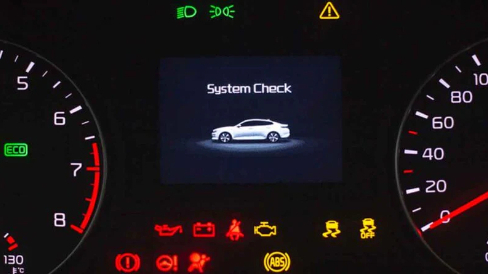
Common symptoms include dim headlights, dashboard battery warnings, slow engine cranking, flickering electronics, or unusual electrical behavior. If these issues continue after driving, the battery or alternator may need professional inspection.
Test the Battery and Charging System
If your car battery dies more than once within a short period, simply jump-starting it repeatedly is only a temporary solution. Modern batteries typically last between three and five years, depending on driving habits and climate conditions.
Most auto parts stores can test your battery and alternator for free. A battery test can reveal whether the battery still holds sufficient voltage, while an alternator test checks whether the vehicle is charging properly during operation.
In some cases, the battery may only need a full recharge using a battery charger. In other situations, replacement may be necessary.
Inspect Battery Connections
Loose or corroded battery terminals are another common reason vehicles fail to start. After jump-starting your car, inspect the battery cables carefully. White, blue, or green corrosion around the terminals can interfere with electrical flow and reduce charging efficiency.
Cleaning the terminals and ensuring tight connections can improve battery performance significantly. Drivers should also check for damaged cables or worn clamps that may prevent consistent power delivery.
Keep a Portable Jump Starter in Your Vehicle
Traditional jumper cables require another vehicle for assistance, which is not always available during emergencies. Many drivers today prefer carrying a portable jump starter because it provides independent starting power anytime and anywhere.
Modern lithium jump starters are compact, lightweight, and powerful enough to start most gasoline and diesel vehicles within seconds. Some models also include USB charging ports, LED flashlights, and multiple safety protections for safer operation.
For drivers who frequently travel in cold climates or remote areas, having a reliable jump starter can provide peace of mind. Products like the LIFMOCER jump starter are designed to offer portable emergency starting power while remaining easy to store inside a glove compartment or trunk.
Understand Why the Battery Died
A dead battery is often a symptom of another issue rather than the root problem itself. Understanding why the battery failed can help prevent future incidents.
Common causes include leaving headlights on overnight, extreme cold temperatures, old battery age, faulty alternators, parasitic electrical drains, or infrequent driving. Winter weather is especially harsh on car batteries because cold temperatures slow down internal chemical reactions while engines require more power to start.
If the battery failure appears sudden or unexplained, professional diagnostics may be necessary to identify hidden electrical problems.
Final Thoughts
Successfully jump-starting a car is only the first step. Driving the vehicle long enough to recharge the battery, checking for warning signs, and inspecting the charging system are all essential aftercare steps that many drivers overlook.
Whether the issue is caused by cold weather, battery age, or electrical problems, being prepared can save time and reduce stress during emergencies. Keeping a portable jump starter in your vehicle and maintaining your battery regularly are simple ways to improve reliability and avoid unexpected breakdowns in the future.